For new projects & collaboration opportunities:
Say Hello
For insights & ideas:
Sign up for our newsletter
For good vibes:

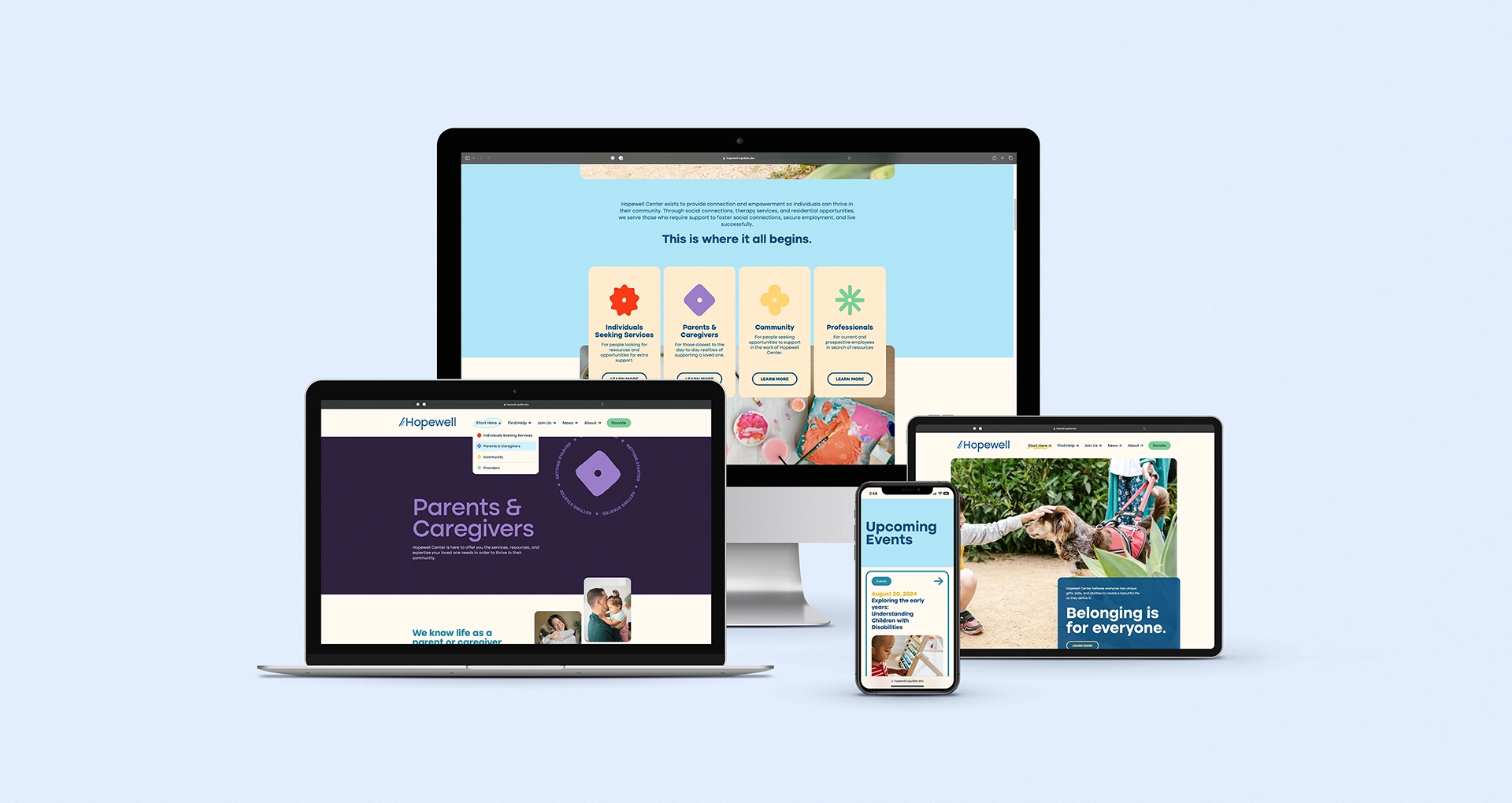
We wanted the new website to be user-friendly, accessible, and visually inviting, while also serving as an informative hub for the many people who engage with Hopewell Center's services.
Accessibility is important in web design for all organizations, but especially for service- and resource-oriented nonprofits like Hopewell. We began by reshaping the site’s architecture around clear "paths" for each audience, allowing employers to quickly access resources about inclusive hiring, while families can easily explore services for their loved ones.
One of our favorite parts of the redesign was introducing interactive elements that made the site more engaging. Clickable icons, resource portals, and other interactive features transformed the website into a dynamic and welcoming space. Users can explore Hopewell’s offerings at their own pace. For families and individuals who may feel uncertain about pursuing disability services, the site now feels far more approachable.




Another key objective was preserving Hopewell’s compassionate voice. While we modernized the design and functionality, we worked carefully to ensure that the spirit of Hopewell Center—the dignity and joy they provide—shone through. From the resources offered to the language used on each page, we wanted visitors to feel seen and supported.
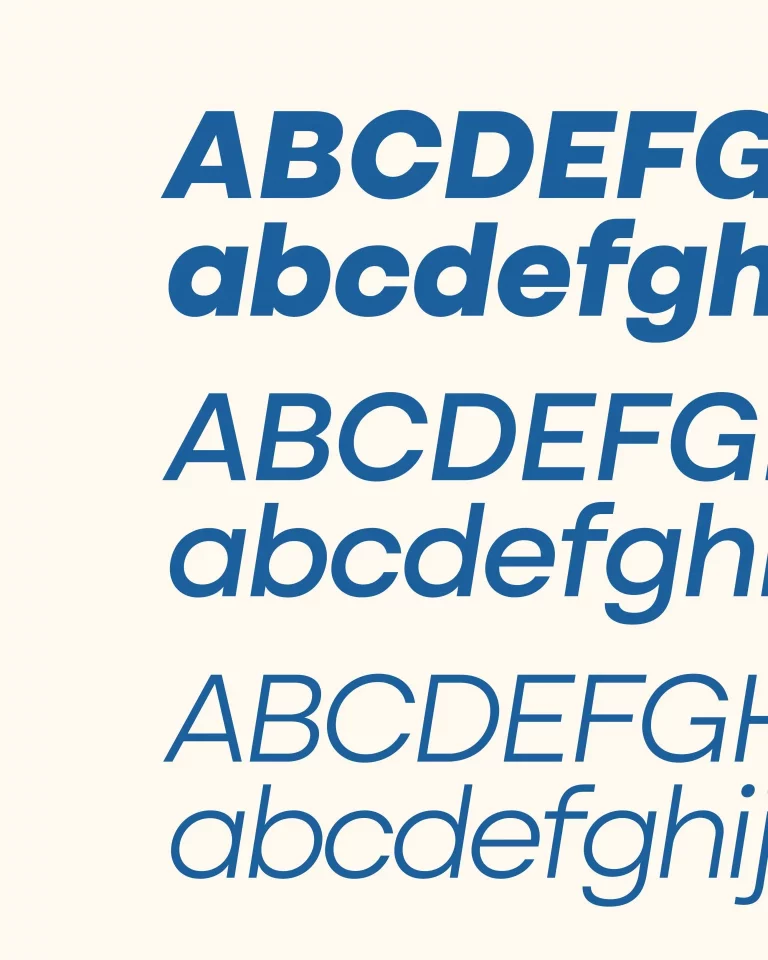
The visual design of Hopewell Center’s new website required more than updated aesthetics—it needed to be fully accessible and easy to use. We chose cheerful colors that convey hope and trust, helping the site feel welcoming and easy on the eyes. Thoughtful iconography using cog and wheel icons symbolizes how individuals with different abilities can work together in harmony. These elements make the site both functional and reflective of Hopewell’s values, reinforcing why accessibility is important in web design.
This project stretched our team’s creative abilities, and the result is a website that we are proud of. The final product offers something meaningful to each of Hopewell Center’s audiences while reflecting both the joy and practicality of Hopewell Center’s mission.

